INTERVIEW WITH Tamatcha - hall businesses part 1
What happens when a Year 1 Sociology student decides hall life just needs better matcha? You get Tamatcha. Jing Yi is barely a semester into uni, and she's already built a full-blown beverage business right out of Tamarind Hall — creative flavours, a loyal fan base, and a barista's instincts. In the first of our three-part series, we caught up with her to hear the story behind this hall-born matcha sensation.
Covered and Written By: Rhea Johnson
(Photo credits: Tamatcha)
1. Hey there! Could you tell us a little about yourself, what you're studying, and what your hall business is all about? What makes it special?
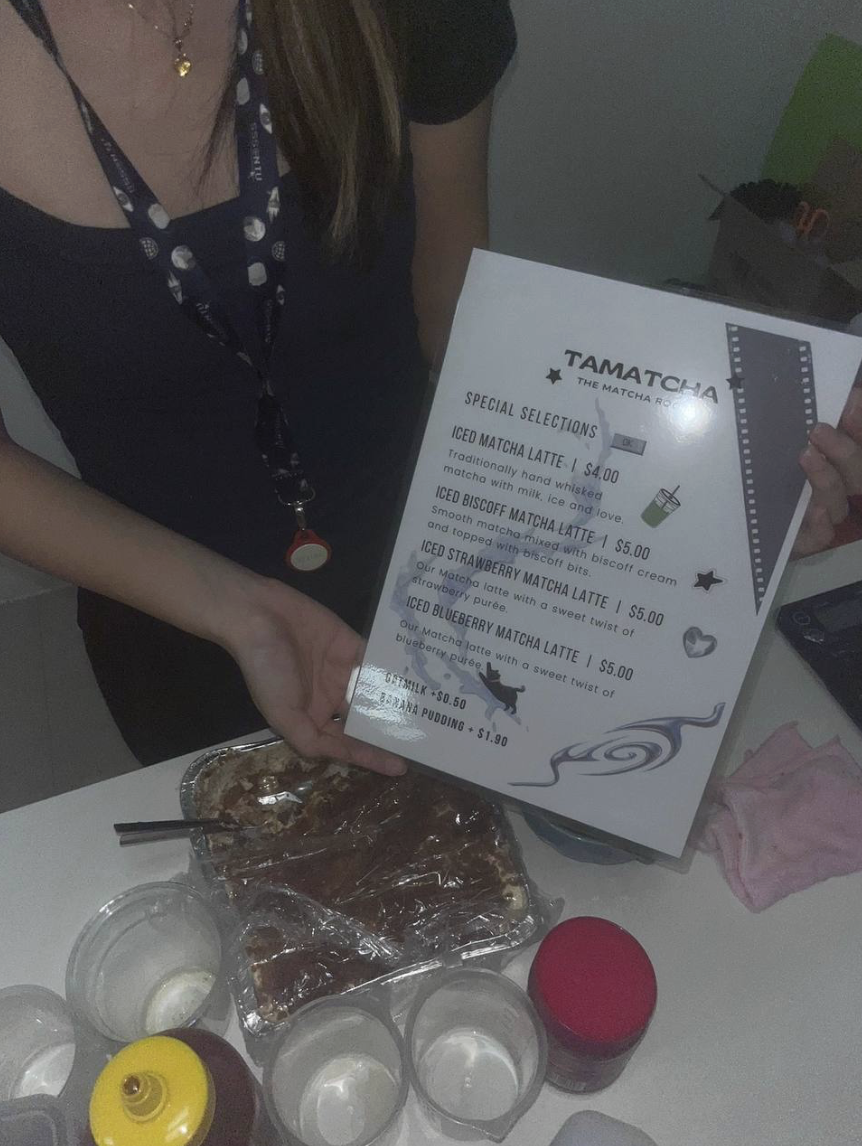
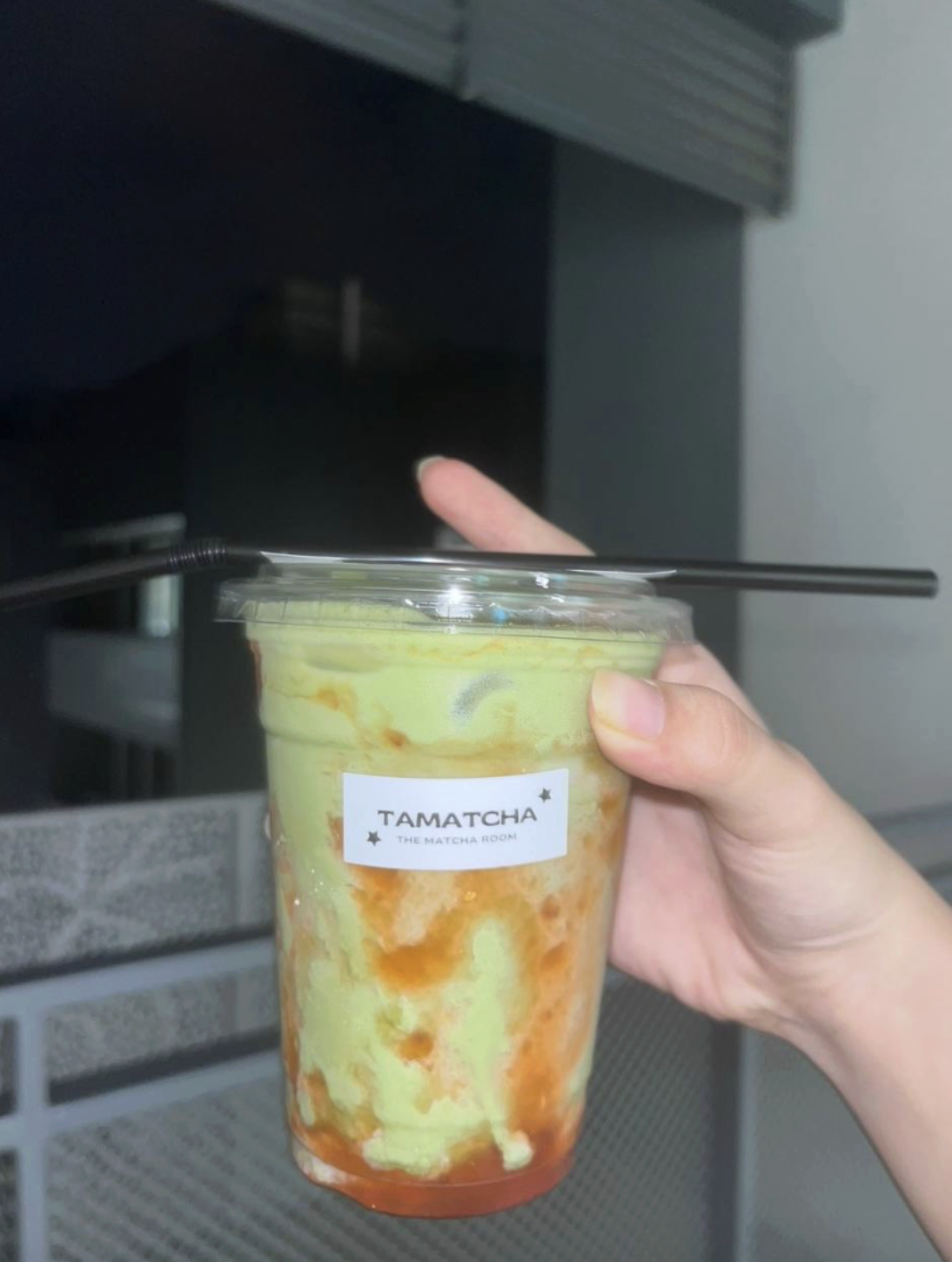
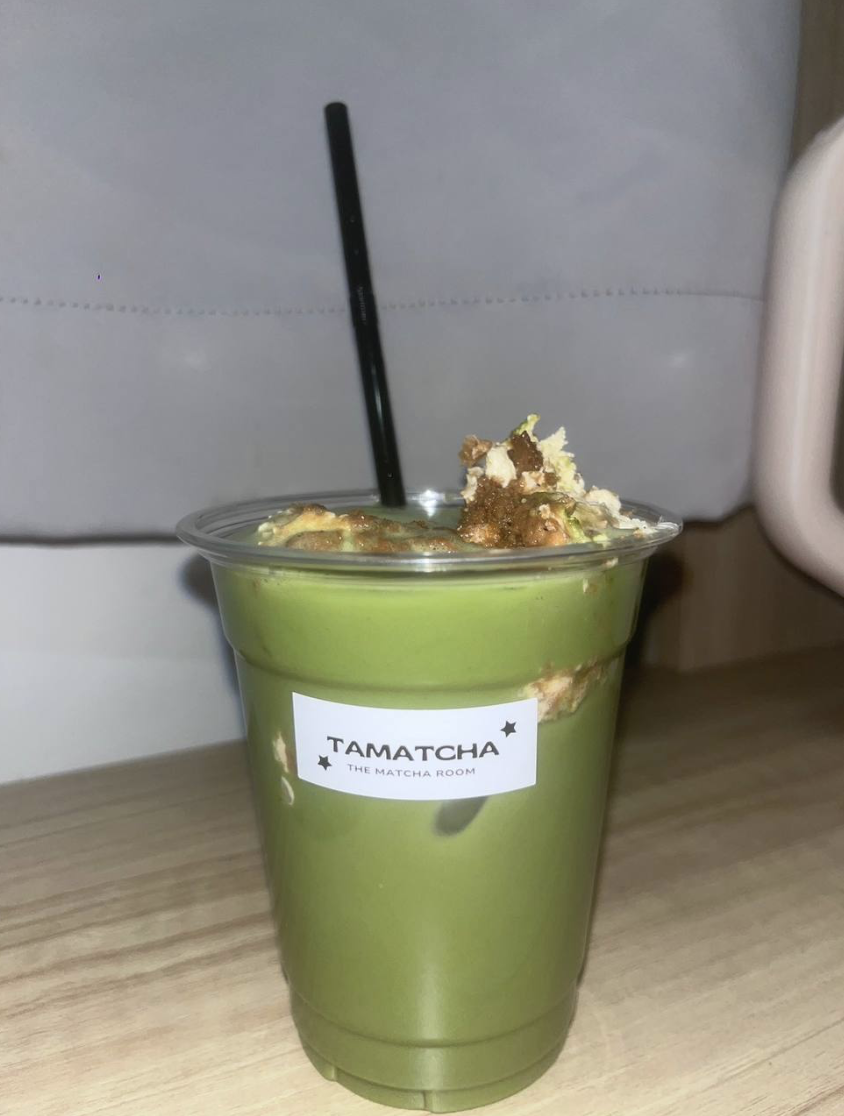
My name is Jing Yi. I'm in Year 1, studying sociology. My hall business, Tamatcha, is based in Tamarind Hall. The name comes from "Tama" for Tamarind Hall and "cha" for matcha. I mainly make matcha, and I recently expanded to include Hojicha. Here and there, I sell desserts too, like brownies. From the feedback I've received from customers, one thing I hear often is that my matcha is different from the matcha sold outside. One thing that stands out is my flavour profiles — for example, I sell Biscoff matcha. I believe you can't find that in cafes outside.
2. What inspired you to start a business from your hall room?
Honestly, after JC there was a long eight-month period where I was mainly working. I picked up a lot of café jobs, like serving as a barista. So even before joining NTU, I had already developed the idea of selling matcha — it was just a question of how. I contemplated running a home-based business, or maybe doing corridor pop-ups, but I realised those require a lot of capital. So selling matcha from hall was an idea that came to me naturally. And as for why matcha — well, I really like matcha, and my barista experience allowed me to explore and experiment with it a lot.
(Photo credits: Tamatcha)
3. What did it take to get Tamatcha up and running, and what challenges did you face along the way?
The first step was coming up with a brand name, and honestly, that was also the easiest step — the name "Tamatcha" came to me almost instantly. I think I was incredibly lucky that the hall name pairs so well with matcha. I also had to formulate the recipe, which took at least a month, because I really wanted to put out a product that was good and would sell well. If it isn't a good product, negative reviews would really affect me. The other key step was setting up my Telegram channel and advertising it to people. From there, things just took off.
I remember very vividly on my first day — I didn't expect that many orders. It was my first time opening, and I only had very rough estimates of the prep time. Because of that, I delayed orders by about 30 minutes per time slot, and I hadn't accounted for the logistics either. Like, if I made a lot of cups of matcha, I needed many trays and people to help carry them. The main struggle was logistics — everything else went pretty smoothly.
4. Have you tried running a business before this, or is this your first venture?
This is definitely my first time running my own business.
5. How does living in a hall shape the way you run your business?
In hall, everything is very impromptu and last minute — and that's actually how I've structured my opening times. People in hall usually stay up really late, sometimes studying until the early hours, and there aren't many food options past the late evening, let alone matcha. So I usually do collection timings at night, sometimes until 9 or 11pm when I'm free. I normally just ask people to text me their orders and run things in a very free and easy way.
6. Has running your business changed how people see you in hall, or how you view hall life itself?
From my own perspective, I don't feel any different — but the sentiment I've gotten is that people admire and respect what I do. Juggling a full-time student workload alongside this business is quite a lot. People tend to hold me in high regard, but really, I'm just happy that they enjoy the matchas I put so much time into.
7. Do you think your hall business has brought people together in any way?
I think with the nature of hall businesses, it's inherently a more intimate setting — there are fewer resources to work with and the space is relatively small. When people give positive reviews and feedback, I genuinely feel like I'm part of a larger community. When customers buy from me, they're not just buying a drink — they're making small talk, engaging with other customers. Even when I'm not selling, I'll run into regulars and they'll recognise me, and I'll recognise them. It could be as simple as just saying hi. It's in moments like those that I feel hall businesses really represent hall culture in a meaningful way.
8. Do you think seeing more hall businesses has encouraged students to become more entrepreneurial?
I think so, because NTU students are entrepreneurial by nature. Starting my business has inspired quite a few people to start their own. Many have reached out to me about logistics and to get a sense of how things work. I'm always happy to help, and at the same time, I always welcome their perspectives and advice too.
(Photo credits: Tamatcha)
9. As a full-time student with CCAs and academics, how do you juggle running your hall business on top of everything else?
From this August, I'm on my hall main committee as the business manager. How much I open depends on the week: usually two to three times, and if I have no assignments, maybe four times. It's definitely hectic, but I've been able to cope so far because I find a lot of fulfilment in doing this as a side quest.
10. Where do you see your business in the next few years?
I plan to continue doing this for as long as I'm in hall. This semester and into Year 2, if I'm not doing any internships, I'll keep going — it's become a routine for me now. If I'm not staying in hall in Years 3 and 4, I'll look into other options. In five years, it would be really nice to open a café.
11. What advice would you give other students thinking of starting a hall business?
Starting this hall business has allowed me to meet new people, make connections, and have a better social life. So if you have an idea, you should definitely take the leap. Running a hall business pushes you to develop real skills — especially adaptability, since everything in hall is last minute and impromptu.
12. Finally, any exciting new drinks or flavours coming up that we can look forward to?
Right now, my latest launch is Hojicha — but that's already been announced. Stay tuned for what's next!
Disclaimer: The hall business in this interview is not affiliated with NTU’s Office of Commercial and Auxiliary Services (OCAS).